

略過進入主要內容

了解在數分鐘內您能節省多少錢。

只需幾分鐘,即可取得汽車保險報價

從報價到承保只需幾分鐘,馬上看看您能節省多少錢。如果您在詢價時將房屋 (或公寓) 和汽車「捆綁」在一起投保,不但更加方便,還能節省更多保費。

轉換保險公司平均可節省24%的汽車保險費用1

As part of your car insurance quote, we work with you to find all the ways you can save. 我們有30種房屋和汽車保險省錢方案,以下只是當中的幾款。

  • 在網上為車輛投保不但方便快捷,而且當您在網上獲得報價並購買保險時,還可在首個保單期限內獲得10%的折扣。

  • 安全駕駛,收益多多。從您無事故的第一年開始,就可以獲得更低的保費作為獎勵。您無理賠的時間越久,節省的保費就越多。

  • 同時購買我們的房屋(或租戶)和汽車保險可享受折扣優惠。校友和專業人士如組合購買房屋和汽車保險,平均可節省$1,870。3

  • 隨著車齡的增長,汽車的市價下降,車輛的維修費用可能超過其價值。您不妨考慮取消車輛的自選車身損害保險,以降低保費。


了解為什麽超過110萬加拿大人選擇購買我們的汽車保險

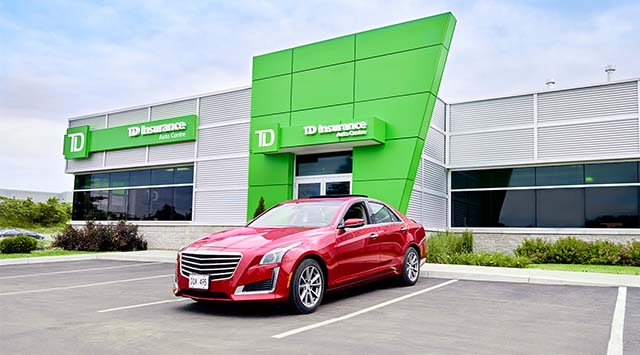
  • 道明保險汽車保險中心

    享受便捷的現場理賠顧問咨詢、汽車維修及租車服務。在加拿大各地設有超過24個服務地點。

  • 道明保險汽車保修

    只要您使用道明保險汽車中心或精選供應商,那麽只要您繼續擁有該車輛並且是道明保險客戶,就可享受該車輛的維修終身保障。

  • 輕鬆管理您的保單

    No need to find a location near you. With our highly rated online services you can manage your policy online anytime, anywhere, 24/7.

最大程度地節省費用

請搜尋您所屬的校友會或專業協會,確認您是否有資格享有優惠費率。

Experience the TD Insurance difference

Find value-added benefits and exclusive savings from our range of insurance products. Get more from your insurance.

了解更多

如何在網上購買汽車保險

  1. 幾分鐘內快速安全地取得報價

    先回答幾個問題,以便我們推薦合適的保險和省錢方案。

  2. 客製化您的保險

    收到報價後,您可以自行調整免賠額並更改承保金額。

  3. 審核並設立付款

    當您滿意該保單後,即可確認付款方式並完成流程。

了解安大略省的汽車保險費用

了解我們在計算您的汽車保險保費時考慮的一些因素

  • 您駕駛什麽車?

    您汽車的製造商、型號和年份都會影響保費。這決定了汽車的成本和價值、安全功能以及維修成本。

  • Do you offer ride
    shares?

    如果您將汽車用於工作用途(而非通勤),您可能需要購買商業車險。您的業務可能涉及較高的責任限額。

  • 您在哪裡居住?

    由於大城市或其附近區域的事故、盜竊及破壞理賠的數量較多,該地區的汽車保險費用通常更高。

  • What coverage do you
    want?

    保險範圍越全面,您的汽車保險費用就越高。

了解您需要哪些不同類型的汽車保險,可助您管理保險費用。

關於您的安大略省汽車保險

在加拿大,汽車保險規則因省而異。您需要達到最低的保險要求,並可以購買自選保險以享受更多保障

  • 標準保險

  • 自選保險

    • 直接賠償和財產毀損
      只要您并非是碰撞事故中的過錯方,您的汽車所受的損壞都在承保範圍內。
    • 特定風險保險
      防範汽車面臨的特定風險,例如火災、水災、冰雹或盜竊造成的損失。
    • 碰撞或傾覆保險
      因與其他車輛或物體發生交通碰撞而造成的車輛損壞。
    • 綜合保險
      承保對您的車輛造成的所有投保範圍內損失,碰撞或傾覆除外。
    • 所有風險保險
      涵蓋除保單中直接提及的例外情況以外的所有損失原因。
    • Optional Accident Benefits
      As of July 1, 2026 changes mandated by the province of Ontario will offer even more options to build a benefits package best suited to your needs.

我們備受好評的網上服務

輕鬆管理您的保單

    Access your account from anywhere

快速便捷地在網上付款

更新您的保單和承保範圍

添加或變更車輛和司機

查看或下載文件,包括您的粉紅卡 (即保險證明)

更新信用卡或銀行資料

取得道明保險App

了解為何我們被評為加拿大最佳保險App之一。

查看和管理您的保單

開始理賠並追蹤維修狀態

存儲您的電子保險證明

一鍵取得重要電話號碼

我們的網上理賠體驗

直接透過電話提交理賠

在您需要時提供拖車和緊急道路救援服務

查找您附近的道明保險汽車中心

追蹤維修情況並定期收到更新

嘗試基於使用情況的汽車保險計劃,獲得個人化保費。

聯絡我們,免費注冊

透過手機分享駕駛習慣

透過安全駕駛行為,個人化定制您的保費。

100%自願註冊

我們備受好評的網上服務

輕鬆管理您的保單

快速便捷地在網上付款

更新您的保單和承保範圍

添加或變更車輛和司機

查看或下載文件,包括您的粉紅卡 (即保險證明)

更新信用卡或銀行資料

取得道明保險App

了解為何我們被評為加拿大最佳保險App之一。

查看和管理您的保單

開始理賠並追蹤維修狀態

存儲您的電子保險證明

一鍵取得重要電話號碼

我們的網上理賠體驗

直接透過電話提交理賠

在您需要時提供拖車和緊急道路救援服務

查找您附近的道明保險汽車中心

追蹤維修情況並定期收到更新

嘗試基於使用情況的汽車保險計劃,獲得個人化保費。

聯絡我們,免費注冊

透過手機分享駕駛習慣

透過安全駕駛行為,個人化定制您的保費。

100%自願註冊

Featured car insurance articles

Frequently asked questions about car insurance

Even without tickets or claims, your insurance can go up a lot at renewal due to other factors your insurer considers when determining your premium, such as the increasing cost of repairs, especially for newer vehicles. 

Some of the other factors insurers look at when calculating price will be specific to you and your vehicle. So, in addition to your personal driving record, your insurer might also consider:

  • Your car's year, make, and model
  • Your location or postal code
  • How often you drive
  • How you're using your vehicle
  • Your coverage
  • 免賠額(Deductible)

But there are also legal and economic factors that insurers need to take into account when determining pricing. These factors impact the cost of premiums on every policy, and can include:

  • Higher repair and replacement costs
  • The impact of inflation on the overall cost of claims
  • An increase in costs related to injuries
  • Automotive supply chain issues
  • Legislative and regulatory changes

So, while claims and tickets will affect your premium at renewal, there are several other things insurers must assess that can also increase your premium costs. Read more about how car insurance premiums are calculated.


In a hit-and-run situation, you'll be covered to the extent of your own policy limits. And, as long as you're not the at-fault driver, your claim shouldn't have an impact on the cost of your premium.

  • Collision coverage (or All Perils, if you have it): Collision coverage and All Perils coverage will usually pay to fix damage to your vehicle if the at-fault driver can't be found.
  • 您是道明保險的客戶嗎?If you've added our Grand Touring Solution® coverage to your TD Insurance auto policy, you may be eligible for a waiver of the deductible in a hit-and-run situation.
  • Accident benefits/no-fault injury benefits: For injuries, accident benefits/no-fault benefits generally apply, regardless of who caused the accident.
  • Uninsured automobile/uninsured driver: In provinces where this coverage is mandatory, uninsured automobile coverage may apply, but what it pays and how much will depend on your province and your policy wording.

Your insurance will usually be the one to make the payout in this situation, because car insurance is mainly tied to the vehicle insured. So, if your friend crashes your car, you'll generally make a claim through your policy, not theirs—and even though you weren't the one behind the wheel, this claim can impact your premium at renewal.

Note the "usually" and "generally", though: Things get messy if the situation falls within an exception, such as:

  • No permission: You didn't consent to your friend driving your car.
  • Not legally allowed to drive: Your friend has a suspended or invalid licence (or no licence at all).
  • Excluded driver endorsement: Your friend is listed as an excluded driver on your policy.
  • Undisclosed or excluded use: The car was being used for something your policy doesn't cover (for example, delivery or ride-sharing use that wasn't disclosed).

If an exception applies, your claim might be treated differently than you expected. For example, depending on the situation and the details, your insurer might deny your claim, reduce your coverage, or limit your payout, leaving you responsible for costs that would normally be covered.

So, if your friend borrows your car more than "once in a while", it's worth adding them to your policy as an occasional or secondary driver. You'll usually pay a bit more up front, but you reduce the risk of potential coverage problems that could come up if they're driving your vehicle frequently without being listed on your policy. 


There's no exact "formula" to use, but because a claim can impact your premium at renewal for a number of years, a good rule of thumb is to skip the claim if the repair cost is only a little higher than your deductible (or if you can comfortably pay for repairs yourself without wrecking your budget).

In practical terms, if the net payout you'd get—typically, the repair cost minus your deductible—is modest, filing a claim won't save you much, and paying the full repair bill yourself would still be close to the deductible you were already prepared to pay.  

Consider the following examples :

Example A

Repair cost = $1,350

Deductible = $1,000

Net payout = $350

If you make a claim:

You pay: $1,000 (the deductible)

Insurer pays: $350 (the net payout)

Your out-of-pocket savings: $350

Example B

Repair cost = $10,800

Deductible = $1,000

Net payout = $9,800

If you make a claim:

You pay: $1,000 (the deductible)

Insurer pays: $9,800 (the net payout)

Your out-of-pocket savings: $9,800

In Example A, making a claim only saves you $350 out-of-pocket, but in Example B, you'd save $9,800 out-of-pocket. Since making a claim in either case will usually increase your premiums for a number of years, it makes sense to not file a claim in Example A, since the small amount of savings you'd get from the claim likely wouldn't be worth the future premium increases.

Finally, when deciding whether to make a claim, don't forget to factor in any other "costs" that go beyond the impact on your base premium, such as losing a claims-free discount or using up Accident Forgiveness protection that would have been better saved for a more expensive claim.

Quebec residents: If you reside in Quebec, you'll still need to inform your insurer of any damage to your vehicle, even if you're not filing a claim.


While "not at fault" often means "no deductible", deductibles are tied to the coverage paying for the damage to your vehicle, rather than who is the at-fault driver. That's why a deductible can still apply in certain situations, such as:

  • You chose to add a deductible. For example, Direct Compensation Property Damage (DCPD) coverage, which is available in provinces with no-fault systems and covers vehicle damage when you're not at fault, usually doesn't have a deductible, but you can decide to add a deductible to lower your premiums.
  • Fault hasn't been confirmed yet. Sometimes it's not immediately clear who's at fault, so your insurer may process the claim using coverage that requires a deductible while they sort out what happened. Any necessary adjustments are then made once they determine who's at fault.
  • The claim is being handled under Collision or All Perils coverage. If you have Collision coverage (or All Perils coverage), and your claim doesn't qualify for no-fault coverage, your insurer might handle repairs as a claim under Collision (or All Perils), which typically has a deductible. A common scenario where this might happen is when the at-fault driver can't be found (for example, in a hit-and-run situation). 

聯絡我們

  • 網上投保

    使用我們安全的網上報價工具,幾分鐘內即可取得汽車保險報價。

  • 諮詢顧問

    我們的持牌顧問樂意就各種方案為您提供指導。


有疑問嗎?在這裡找到答案